
What is Christianity?
Christianity begins with Jesus. Whether you’re exploring faith for the first time, returning after time away, or simply trying to understand what Christians believe, this is a place to start.
Start the journey
At the centre of Christianity is the claim that God has made himself known through Jesus Christ. Jesus lived, taught, died on the cross and rose from the dead. Christians believe that through him God offers forgiveness, reconciliation and new life.
The gospel is the good news of what God has done through Jesus and the invitation to trust him, follow him and become part of the life of his Kingdom.
You can explore these ideas more deeply below and see how they fit together within the larger story of Scripture and the Christian hope at its centre.
Who Christians believe Jesus is and why he matters.
The central message of Christianity and what Christians mean by salvation.
What the Bible is, where it came from and why Christians trust it.
How Christianity understands the God revealed in Scripture.
What sin is, why it matters, and why humanity needs rescue from its power and consequences.
What grace is, why it cannot be earned, and how God’s undeserved favour changes everything.
What it means to follow Jesus, why discipleship involves obedience, sacrifice and perseverance, and how the Holy Spirit forms us into Christ’s likeness.
What the Kingdom of God is, how it began in Jesus, and where it’s heading.
Who is the Holy Spirit?
Who the Holy Spirit is, how he works in believers, and his role in shaping the life of the church.
What baptism means, why Christians practise it, and how it expresses repentance, faith, and new life in Christ.
Why Christians take communion and what it means.
Why the resurrection matters and what it means for the Christian hope.
Who is Jesus?
Christianity stands or falls on who Jesus is. He is not simply a teacher, prophet, or good man, but the eternal Son of God, the Word through whom all things were made. He entered human history, conceived by the Holy Spirit and born of the virgin Mary, truly God and truly human.
In Jesus, the invisible God is made known. To see Christ is to see the Father. His words, actions, mercy, authority, and holiness reveal the character of God, but Jesus came for more than revelation. He came to save.
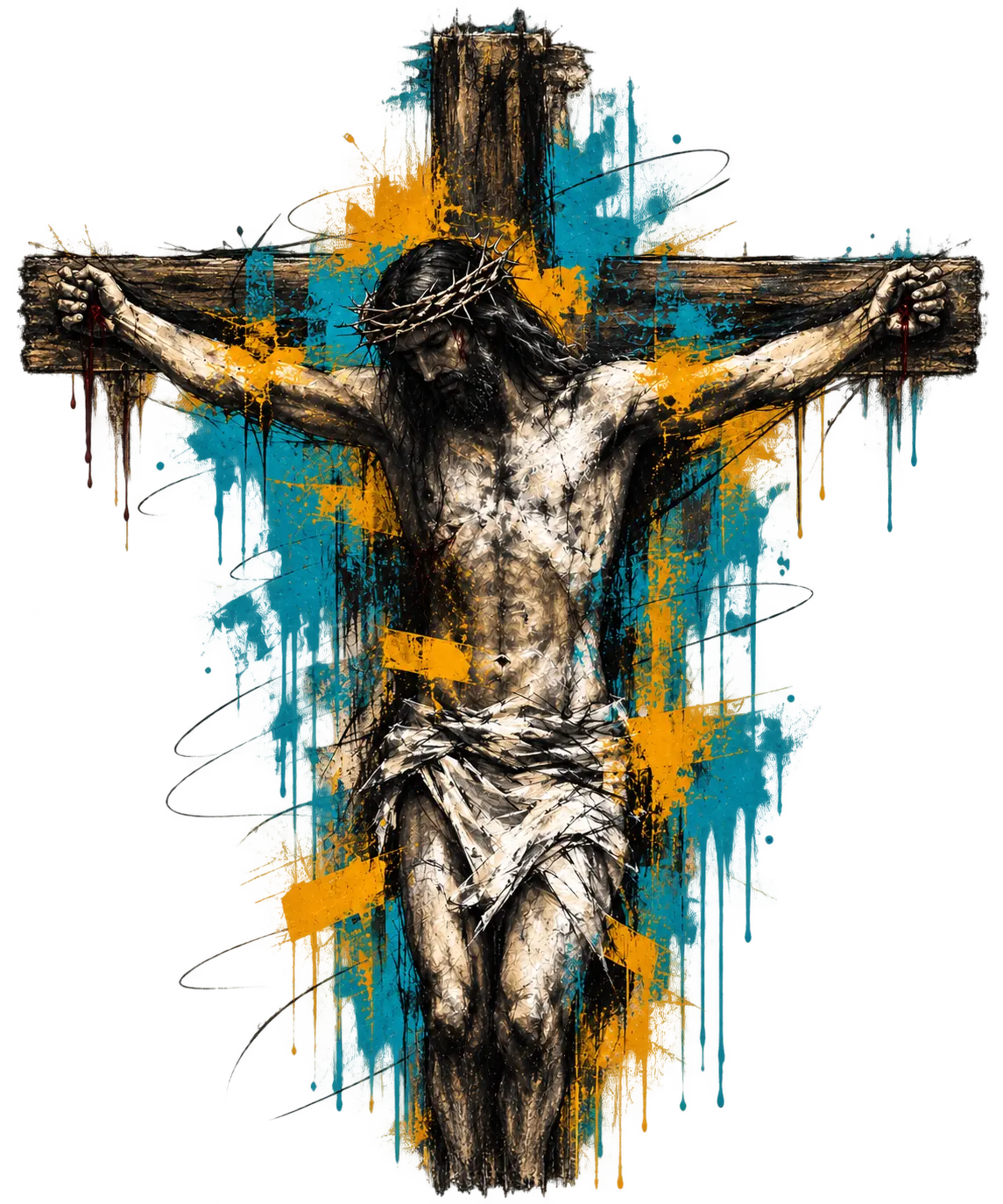
He lived the sinless life we could not live, died on the cross for sin, was buried, and rose bodily from the dead on the third day. The resurrection is not an optional extra to Christianity. Paul says plainly that if Christ has not been raised, our faith is useless. Everything rests on the reality that Jesus died and rose again.
Jesus ascended to heaven and is seated at the right hand of the Father. He is Lord now, and Christians await his return, when he will judge the living and the dead and bring all things under his rule.
What is the gospel?
Salvation is God’s work from beginning to end. Through the death and resurrection of Jesus, sinners are reconciled to God, forgiven, and brought from death into life. This is not something we earn. It is grace, God giving what we could never secure for ourselves.
The New Testament describes this good news in several ways. It is the good news of the Kingdom of God, the gospel of grace, the gospel of Christ, the gospel of God, and the gospel of salvation. Different phrases, but the same centre: what God has done in Jesus.
The cross deals with sin. The resurrection defeats death. Together they declare that Jesus is Lord, that forgiveness and reconciliation are found in him, and that death will not have the final word.
But the gospel is bigger than personal forgiveness. Our salvation sits inside the larger story of God’s Kingdom. We are not only saved from sin and death, but brought under the rule of Christ and into the life God intended for his people, with the hope of resurrection and the renewal of all things.
The call of the gospel is therefore not simply to agree with a set of ideas, but to trust Jesus. To believe the good news is to place our confidence in him, turn to him for forgiveness, and begin a new life under his lordship.
What is the Bible?
What we know as the Bible today is a collection of ancient texts, considered to be sacred scripture by both Judaism and Christianity. The Hebrew Bible or Old Testament is comprised of the Torah (the five books of the law), the Prophets, and the Wisdom Writings, while the Christian Bible includes both the Old Testament Hebrew books as well as the New Testament Christian gospels, letters, and other writings.
The Hebrew Bible is primarily a literature of faith; recounting the story of human history and the human condition, and humanity’s relationship to the God who created us. More specifically, it’s concerned with God and His people – the nation of Israel, to whom He makes covenant promises and to whom, ultimately, a saviour is promised.
The Christian New Testament includes the four gospel accounts, the Acts of the Apostles, several pastoral letters to the early church, and the apocalyptic book of Revelation, Jesus’ message to the early churches in the area of Asia Minor.
It continues the themes found in the Hebrew Bible, and teaches that these themes have found their fulfillment, resolution, and conclusion in the life and person of Jesus Christ, the saviour promised in the Hebrew scriptures.
The Bible is considered by Christians to be the inspired and authoritative Word of God. It serves as the foundation for Christian faith, practice, and theology, offering guidance for living, understanding God’s character, and His relationship with humanity.
Who is God?
God is the starting point of the Christian story. Before creation, before humanity, before anything existed, God was there. He has no beginning and no end.
God is the Creator of all things and the source of all life. He is holy, sovereign, powerful, just, and completely unlike us, yet he is also loving, merciful, patient, and compassionate. Scripture presents him not as a distant force, but as the living God who speaks, acts, judges, saves, and makes himself known.
The Bible begins with God creating the heavens and the earth, and from that point everything unfolds around who he is, what he has made, and what he intends to do with his creation.
What we believe about God shapes everything else. It shapes how we understand ourselves, sin, salvation, purpose, worship, and the world around us. Christianity does not begin with us trying to find meaning. It begins with God revealing himself.
And Christians believe that God has made himself known most fully in Jesus Christ. To know Jesus is to know the Father who sent him. Jesus is therefore not an optional part of understanding God. He is where Christians look to see most clearly what God is like.
What is sin?
Sin is more than simply breaking rules. It is humanity turning away from God and choosing our own will over his. Since the fall, sin has shaped both the world around us and the desires within us, distorting what is good and drawing us away from the God who made us.
The Bible describes sin as something deeply rooted in the human condition. We do not merely commit sinful acts, we are people in need of rescue from sin’s power and its consequences.
What is grace?
Grace is God giving what we could never earn for ourselves. We are not saved because we are good enough, religious enough, or deserving enough. Salvation is God’s gift, received through faith, not a reward for human effort (Ephesians 2:8 to 9).
Grace sits at the heart of the gospel because it is the answer to the problem of sin. Where sin separates us from God, grace meets us with forgiveness, reconciliation, and new life through Christ.
But grace does not leave us unchanged. The same grace that saves also shapes the Christian life, teaching us to live differently, to forgive, to love, and to grow in obedience to God.
What does it mean to follow Jesus?
A disciple is a learner or follower, someone who places themselves under a teacher in order to learn their way of life. In that sense, following Jesus is not simply agreeing with what he taught. It is becoming his apprentice.
Christian discipleship means recognising Jesus as Lord and Saviour, learning his teaching, obeying him, and being formed into his likeness. That includes self denial, sacrifice, perseverance, and sometimes suffering. Jesus was very clear that following him would cost something.
Discipleship also involves the work of the Holy Spirit, who changes us over time and produces the kind of character Paul describes as the fruit of the Spirit in Galatians 5. It happens within the community of believers, where Christians worship, learn, serve, encourage one another, and help others follow Jesus in turn.
To follow Jesus, then, is to place your whole life under his lordship and spend a lifetime learning what it means to become like the one you follow.
What is the Kingdom of God?
The Kingdom of God was central to the preaching of Jesus. It is not simply another name for heaven, or only a future reward. It is the reign of God breaking into the world through Christ, calling people to repent, believe the gospel, and live under his rule.
Jesus announced that the Kingdom had drawn near because the King himself had come. Wherever God’s will is done, sin is resisted, mercy is shown, righteousness is pursued, and lives are brought under the lordship of Christ, the reality of the Kingdom is already at work.
The Sermon on the Mount gives us one of the clearest pictures of what life under that reign looks like. It reaches beyond outward religion to the heart, shaping how we love, forgive, speak, pray, give, and treat others.
Yet the Kingdom is not here in its fullness. Christians live between its arrival in Jesus and its completion when he returns. One day Christ will reign openly, death will be defeated, creation will be renewed, and God’s purposes will be brought to completion.
Until then, Christians continue to pray the words Jesus taught: “Your kingdom come, your will be done, on earth as it is in heaven.”
Who is the Holy Spirit?
The Holy Spirit is the personal presence of God, fully divine and active throughout Scripture. He is not simply a force or influence. Jesus spoke of him as the Comforter or Advocate, promising his followers that they would not be left alone, but that the Spirit would teach them, remind them of his words, and guide them into truth (John 14:16 to 18, 26).
The Spirit is present from the opening pages of the Bible, hovering over the waters at creation, empowering prophets, and anointing Jesus for his ministry. After Christ’s ascension, the same Spirit was given to believers, dwelling within them and continuing God’s work in their lives.
The Holy Spirit convicts of sin, strengthens believers to obey God, and gradually forms Christlike character in them. Paul describes the result as the fruit of the Spirit: love, joy, peace, patience, kindness, goodness, faithfulness, gentleness, and self control (Galatians 5:22 to 23).
The Spirit also equips believers with gifts for the good of the church and gives courage to bear witness to Christ. His work is not about drawing attention to himself, but about glorifying Jesus, building up the church, and shaping God’s people into the likeness of Christ.
What does it mean to be baptised?
To baptise means to immerse or submerge in water. In the New Testament, baptism is closely connected with repentance, faith, and the beginning of a new life in Christ.
Baptism is an outward act that expresses an inward reality. A person is identifying publicly with Jesus, with his death, burial, and resurrection, and declaring that their old life is no longer their own. Paul describes baptism as being buried with Christ and raised to walk in newness of life.
John the Baptist called people to baptism as a sign of repentance, but he was clear that water alone meant nothing without a genuine change of heart. Baptism was never intended to be an empty religious act. It belonged with repentance and a life turned towards God.
Jesus himself was baptised by John, not because he needed repentance, but to fulfil all righteousness and to identify himself with the people he came to save. His baptism also marked the beginning of his public ministry.
For Christians, baptism is therefore an act of faith, obedience, and identification with Christ. It does not earn salvation, but it is the ordinary New Testament response of someone who has believed the gospel and chosen to follow Jesus.
What is communion?
Communion, also called the Lord’s Supper, is the Christian practice of sharing bread and wine in remembrance of Jesus and his sacrifice on the cross.
The bread represents his body, given for us, and the wine his blood, shed for the forgiveness of sins and the establishment of the new covenant. In taking them together, Christians remember what Christ has done and proclaim his death until he comes again.
Communion also reaches back to the Jewish Passover, which remembered Israel’s deliverance from slavery in Egypt. Jesus gave the meal new significance, pointing to a greater deliverance from sin and death through his own death and resurrection.
It is therefore both remembrance and proclamation. Christians look back to the cross, give thanks for the grace they have received, share the meal together as Christ’s people, and look forward to his return.
What is resurrection?
The resurrection of Jesus stands at the centre of the Christian faith. Jesus truly died, was buried, and was raised bodily from the dead. Paul is blunt about its importance: if Christ has not been raised, Christian faith collapses.
But Jesus’ resurrection is not only proof that he conquered death. It is also the beginning of what God intends to do with his creation. In raising Jesus, God began the work of renewal that will one day end in the resurrection of his people and the restoration of all things.
Resurrection therefore has both a present and future dimension. Christians are called to walk in new life now, something baptism vividly pictures, while also looking forward to the day when the dead are raised and believers receive imperishable bodies.
The Christian hope is not escape from creation, but resurrection, renewal, and life with God in a creation made new.
“Take Christ from Christianity, and you remove the heart from it; there is practically nothing left. Christ is the centre of Christianity; everything else is peripheral.” – John Stott